Things to Do With Your Kids That Cost Nothing
You do not need a plan or a budget line to give your kids a good afternoon. You need an hour, whatever is already in the house or the yard...
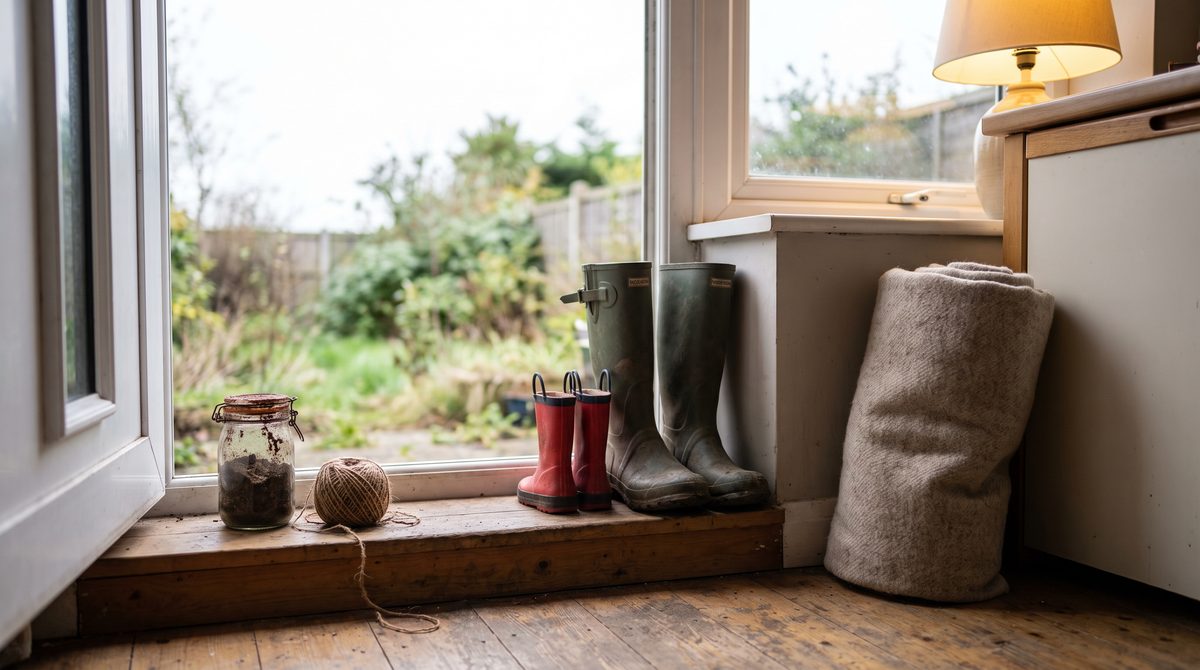
You do not need a plan or a budget line to give your kids a good afternoon. You need an hour, whatever is already in the house or the yard, and a willingness to be the one who suggests it first. Here are fifteen that actually hold a kid's attention, sorted so there is something for a toddler and something for a twelve year old, and something for every season in between.
1. Build a blanket fort with a rule that it has to survive dinner
Pull cushions off the couch, drape sheets over chairs, and let the kids design the layout themselves. Telling them the fort has to still be standing at dinner time turns building it into an engineering problem they take seriously. Works for ages three and up, indoors, any season.
2. Walk a street you never walk and count something
Pick a street within walking distance that you do not normally use, and give everyone a thing to count: red doors, cats, satellite dishes, anything visible. It turns an ordinary walk into a small competition and gets you all outside without needing a destination. Good for any age that can walk the distance, best in mild weather.
3. Run a backyard or living room obstacle course
Use what you have. Chairs to weave through, a rope or line of tape to walk along, a cushion to jump over, a lap around the garden to finish. Time each kid and let them try to beat their own number. This scales down for a four year old and up for a ten year old just by making the course harder.
4. Do a library visit with no goal except browsing
Skip the reading list. Let each kid pick anything that catches their eye, including books above or below their usual level. The library is free, it is climate controlled, and letting them choose without your input is most of the value. Works at any age, any season, especially good on a wet day.
5. Cook one meal entirely from the pantry with no shopping trip
Tell the kids the rule before you start: whatever is already in the cupboards and fridge is what you have to work with. Let them help decide what goes together. It teaches them that a meal is a set of decisions, not a recipe to follow exactly, and it uses food you already paid for. Best for kids old enough to help chop or stir safely, so roughly six and up.
6. Draw a chalk map of an imaginary town on the driveway
Chalk is cheap and often already in a drawer. Draw roads, a school, a shop, a river, whatever the kids want, and let them ride bikes or walk the routes. Younger kids like naming the buildings. Older kids like adding rules, like a stop sign that has to be obeyed. Outdoor, dry weather, ages roughly three to ten.
7. Start a rock, leaf, or shell collection with a sorting rule
On any walk near a park, beach, or wooded area, collect something small and free, then sort it at home by size, color, or shape. The sorting is the actual activity. It works especially well for kids who like categories and order, and it gives you something to display for free. Any season depending on what is available outside.
8. Have a family talent show with a ten minute prep limit
Give everyone ten minutes to prepare something, a joke, a dance, a magic trick, a made up song, then perform for each other in the living room. The short prep time keeps it from becoming a production and keeps the pressure low. Good for a rainy evening, works from about age five up, and the parents should perform too.
9. Do a stargazing night with nothing but a blanket and a flashlight
On a clear night, take a blanket outside, lie down, and look up. You do not need equipment to notice constellations, satellites moving across the sky, or the moon's shape changing from one week to the next. Bring a flashlight for the walk back in. Best in a season and location with clear skies, works for kids old enough to stay still for a while, so roughly five and up.
10. Turn a car ride into a story built one sentence at a time
One person starts a story with a single sentence, the next person adds a sentence, and it keeps going around until someone declares an ending. No materials, no setup, and it turns a boring drive or wait into something the kids ask to repeat. Works from about age four, anywhere you would otherwise be sitting quietly.
11. Wash the car or bikes together as the activity, not the chore
Instead of treating car washing as a task to get through, hand over sponges and let the kids do the actual washing while you supervise. Water, soap, and something to scrub is entertainment for younger kids and a legitimate contribution for older ones. Best on a warm day, outdoors, ages four and up depending on how much unsupervised water they can handle.
12. Build something from a cardboard box and nothing else
Save the next large box instead of breaking it down. A box becomes a fort, a car, a rocket, a puppet theater, depending on what the kids decide. Add markers if you have them. It works because the box has no fixed identity yet, so younger kids project onto it easily and older kids enjoy cutting doors and windows.
13. Take a season specific nature walk with a single mission
In autumn, collect the most colorful leaf. In winter, find the best stick for a snowman. In spring, spot the first flower of a particular color. In summer, find shade and identify what is growing in it. Giving the walk one mission instead of no mission keeps younger kids engaged past the first five minutes. Works outdoors, any season, ages three and up.
14. Play the alphabet game anywhere you are already going
Find something starting with A, then B, then C, in order, using signs, objects, or anything visible around you. It works in a car, on a walk, in a waiting room, or in your own house. No setup, no cost, and it holds attention because it has a clear finish line at Z. Works from about age five, once a kid knows the alphabet reasonably well.
15. Host a board game night using games you already own
Pull out whatever is already on the shelf, including games that have not been played in months, and commit to one each, even the ones the kids usually lose interest in halfway through. The novelty is mostly in doing it as a declared event rather than a background activity. Works for any age the games in your house suit, best on a weeknight or a wet weekend.
Why the cheap repeated thing beats the expensive one off
A theme park trip costs a lot, delivers a big day, and then is over. Nothing about it repeats next weekend, and the memory competes with every other big day your kids will eventually have. The walk where you count red doors, the chalk town on the driveway, the story you build one sentence at a time in the car, these cost nothing and can happen again next week with no planning and no expense.
What sticks with kids is usually not the size of the outing but the fact that it happened often enough to become a thing your family does. A once a year trip is an event. A Sunday walk that counts something different every time is a habit, and habits are what kids remember as childhood, more than any single expensive day was. If you have to choose between saving for one big outing and doing a free thing every week, the free thing wins on repetition alone.
Do this one thing this week
Pick one idea from this list, tell the kids about it at breakfast rather than springing it on them, and do it before the weekend is over. The version that gets scheduled out loud is far more likely to actually happen than the one you only meant to get to.