Over-Parenting: How to Stop Babying Your Child
You are at the door, everyone is running late, and you can see the reading folder is still on the kitchen table.
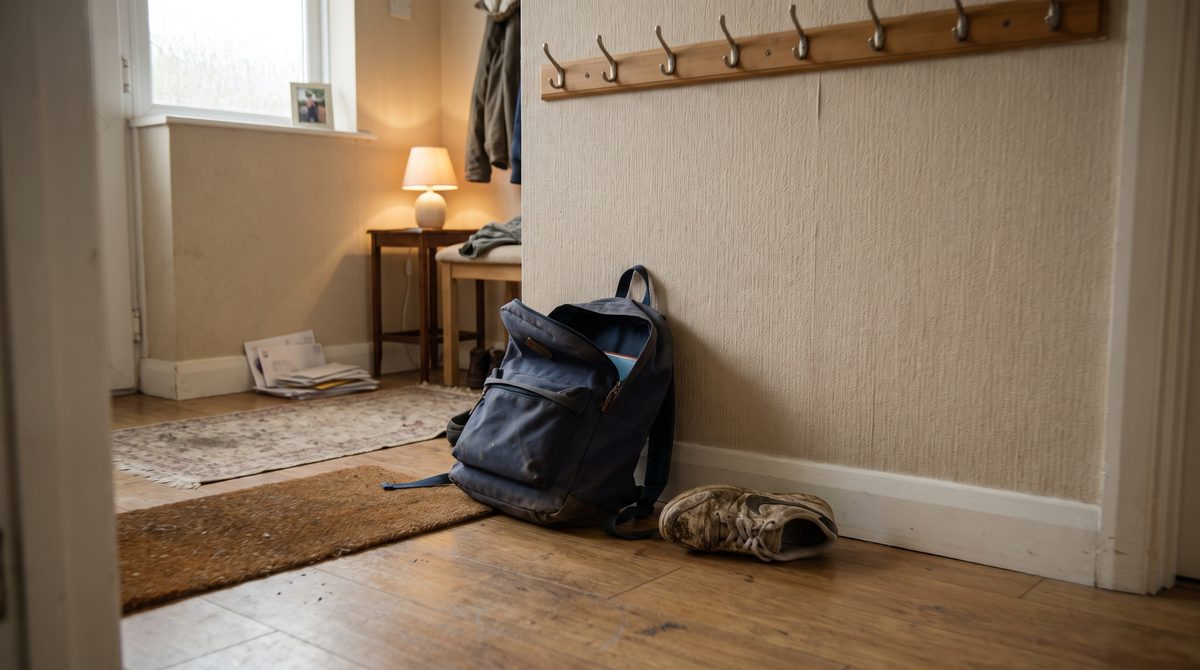
The moment you reach for the school bag
You are at the door, everyone is running late, and you can see the reading folder is still on the kitchen table. It takes you four seconds to grab it and shove it into a bag your child could reach just as easily. That four seconds, repeated every morning for a school year, is not a small thing. It is a standing decision that packing the bag is your job, not theirs. The question worth asking is not whether you love your kids enough. It is whether you have quietly kept jobs on your own list that no longer belong there.
Why this feels like good parenting
Taking things over feels responsible in the moment. A packed bag means no phone call from the school office. A finished worksheet means no cross teacher and no upset child. Stepping into a playground argument means the argument ends faster and nobody cries in the car. Every one of these is a real, short-term win. The cost does not show up that afternoon. It shows up over years, as a child who has never had to notice what he needs, sit with a problem that has no adult in it, or recover from a consequence small enough to survive.
None of this means you have been doing it wrong. Most of it starts as genuine help during a stage when a child could not do the task at all, and simply never gets handed back once he can. The habit outlives the need. That is the whole problem, and it is fixable without any drama.
What over-parenting actually looks like day to day
It rarely looks like hovering. It looks like efficiency.
- The school bag. You check it, you pack the missing bits, you notice the water bottle is empty and fill it.
- Homework. You sit next to your child for the whole task, correct mistakes as they happen, and the finished sheet is neater than the child's unsupervised effort would have been.
- Forgotten kit. PE kit, swimming things, a permission slip left on the side. You drive it in at lunchtime rather than let your child sit out or explain himself to a teacher.
- Friendship disputes. Your child mentions a falling-out with a friend, and you are on the phone to the other parent within the hour, or coaching a script for tomorrow that is really your words in his mouth.
Each one is small. Together, over a year, they add up to a child who has not practiced the exact skill the situation was built to teach him: noticing, planning ahead, tolerating a bad outcome, and speaking for himself.
What to hand back, by age
This is not a switch you flip in one weekend. Hand things back in the order your child can actually manage them, and expect the first few attempts to go worse than when you did it yourself. That dip is the point, not a sign you have picked the wrong task.
Ages 5 to 7: physical routines, not decisions
At this age the aim is a routine your child performs with you standing nearby, not a decision made alone.
- Packing the bag together, from a checklist. You read the list out loud, he places the items. Within a term he can read it himself.
- Carrying his own bag from the car or the gate to the classroom door.
- Choosing the next day's clothes the night before, from two options you have already approved.
Ages 8 to 10: the first real handoffs
This is the age where most families can hand back the tasks that were causing the most friction.
- Full responsibility for the school bag, including kit for the next day's activities. Put a checklist on the inside of the door if it helps, but stop checking it yourself.
- Starting homework without you sitting next to him. Be available to answer a question, not present for the whole task. Check it is done, not that every answer is right.
- A first attempt at a friendship problem before you get involved. Ask what he has already tried and what he wants to try next, and hold off on calling the other parent unless there is a genuine safety concern.
Ages 11 and up: consequences you don't soften
Secondary school is a natural point to stop absorbing the fallout of a forgotten item.
- Forgotten kit stays forgotten. If he leaves his PE kit at home, he deals with the school's normal response to that, and you do not drive it in. One uncomfortable day teaches the lesson better than a year of reminders.
- Homework deadlines are his to track, using whatever system the school provides. Your role shrinks to asking if he needs anything, not checking a calendar for him.
- Friendship and low-level conflict are resolved by him first, with you as the person he debriefs to afterward rather than the person who intervenes during.
Handing a task back without making it feel like punishment
The handoff goes better when you say it out loud rather than letting your child work out from your silence that he has been cut off. "You're old enough to pack your own bag now, I'm not going to check it" is a sentence, not a lecture. Expect the first missed item, the first messy homework page, the first friendship wobble handled clumsily. That is the task working as intended, not evidence that he was not ready or that you moved too fast.
It also helps to pick one task at a time rather than handing back four things in the same week. A single change is easy to notice and easy to be consistent about. Four at once usually means you quietly pick two of them back up within a fortnight because the house feels chaotic, and the child learns that the new rule was not really a rule.
One thing to do this week
Pick the task from the lists above that causes the most friction in your house right now, tell your child directly that it is now his job, and then do not do it for him even once, even on a bad morning. The first slip is where the lesson actually happens.