Making Your Home Cheaper to Run
Every home has a handful of places where money leaks out quietly, and most of them cost nothing to fix.
Every home has a handful of places where money leaks out quietly, and most of them cost nothing to fix. Before you spend on anything, work down from the cheapest problem to the most expensive one. That order matters more than any single tip on its own.
Find the draughts before you do anything else
A draught is warm air leaving and cold air coming in, and it is the fastest payback you will find in the house because most fixes cost little more than your time. Go round on a cold, still evening with the heating on and a hand held near likely gaps: letterboxes, keyholes, the gap under external doors, loft hatches, and where pipes or cables pass through an external wall. If you can feel movement, that is warm air you paid for leaving the building.
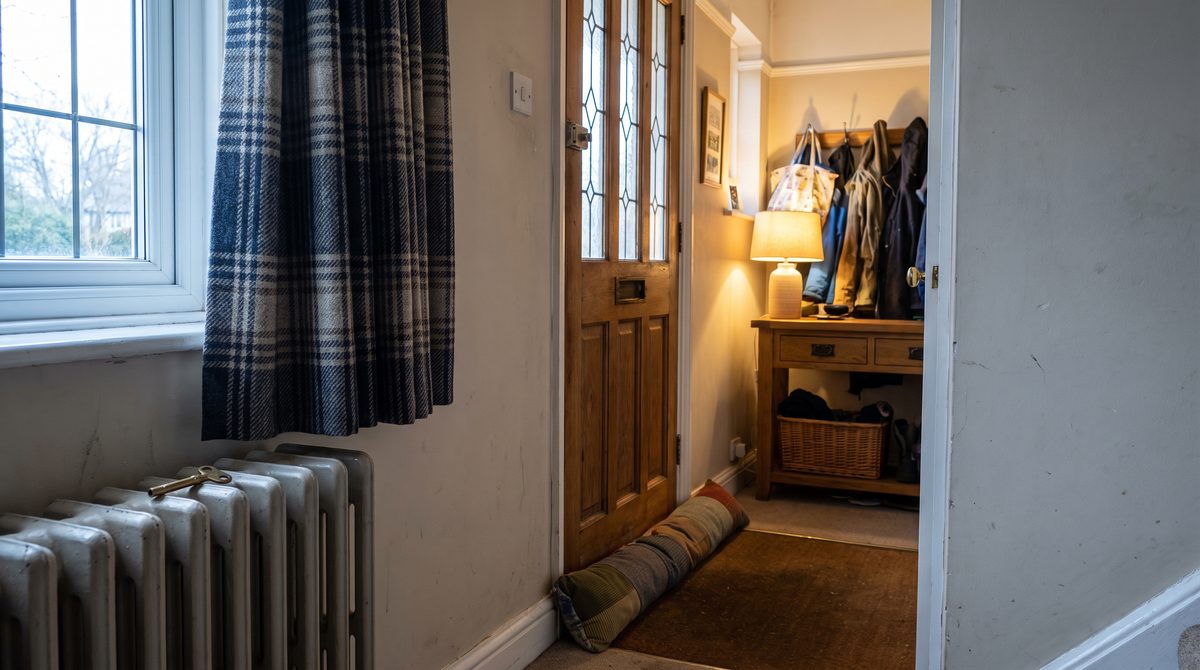
Letterbox brushes, keyhole covers, and a draught excluder along the bottom of external doors deal with the obvious ones. Loft hatches are often overlooked and are usually just an unsealed square of board sitting on a frame, so a strip of foam tape around the edge closes it properly. Skirting boards that have pulled away from the floor, especially in older houses, are another common source. None of this needs a tradesperson.
Get your thermostat and heating controls working for you, not against you
The heating itself is often set up in a way that wastes money without anyone noticing. A few habits make a real difference:
- Heat the rooms you use, not the whole house at once. If your system has thermostatic radiator valves, turn down the ones in spare rooms, rooms you are not in, and rooms already warm enough on their own.
- Set a lower background temperature rather than switching the heating fully on and off. A steady, moderate temperature is generally more efficient than large swings between cold and hot, because the system spends less time working hard to recover from a cold start.
- Check the timer actually matches your day. Many households still run a schedule set when the house was used differently, heating an empty home in the middle of the day or running well past bedtime.
If you do not already know where your thermostat is and what it is currently set to, that is the first thing to check this week, before anything else on this list.
Sort out hot water next
Hot water is usually the second-biggest energy user in the house after heating, and it has the same pattern: a few settings quietly cost more than they need to.
Check the temperature your hot water is stored at. It needs to be hot enough to be safe, but many systems are set higher than necessary out of habit rather than need. If you have a hot water cylinder, check whether it has an insulating jacket. If it does not, or the jacket is thin and compressed, an unlagged cylinder loses heat all day even when nobody is using hot water. A jacket is inexpensive and fits over the existing cylinder without any plumbing work.
Shorter showers and turning taps off while lathering hands or brushing teeth are the other lever here, and they cost nothing beyond a change of habit.
Insulation, once the free fixes are done
Insulation is more expensive than draught-proofing but less expensive than most people assume, and it keeps paying back for as long as you own the house. Loft insulation is usually the best place to start because heat rises and an underinsulated loft lets a lot of it straight through the roof. If your loft insulation is thin, patchy, or has been disturbed by storage boxes pushed on top of it, topping it up is a straightforward job, though check whether you need to leave gaps for ventilation at the eaves before you do it yourself.
After the loft, look at the hot water pipes running through unheated spaces like the loft or an integral garage. Pipe lagging is cheap and quick to fit.
Cavity wall or solid wall insulation is a bigger step, more disruptive, and worth getting proper advice on before committing, since the right approach depends on how your particular walls are built. Get more than one opinion before spending here.
When you need a contractor
Some jobs genuinely need a qualified person, and treating them differently from the list above is the point, not a failure to DIY. Boiler servicing falls here: an annual service catches problems before they become breakdowns or safety issues, and it is not a job to skip to save money. Anything involving gas, the boiler itself, or rewiring needs a qualified, registered tradesperson, no exceptions.
If a contractor is coming for one job, it is worth asking while they are there whether they notice anything else worth addressing, since a second callout costs more than an extra ten minutes on the first one.
Seasonal jobs that stop a bigger bill later
A few jobs are worth doing at a specific time of year because skipping them does not save money, it just moves a bigger cost to later:
- Before the cold months arrive: bleed radiators that have cold spots at the top, since trapped air makes the heating system work harder to heat the same room. Check the boiler pressure is within the range shown in its manual.
- Before the first frost: turn off and drain any outside taps, and disconnect hoses, since a frozen outside tap can crack the pipe and cause a leak you will not see until it thaws.
- Once a year, regardless of season: get the boiler serviced, clear gutters so autumn leaves are not still sitting there holding water against the roofline, and check the loft for any sign of damp or a leak that insulation might be hiding.
Catching these before the weather turns is what keeps a seasonal check from turning into an emergency repair.
What to do this week
Pick one evening this week, turn the heating on, and walk the house checking for draughts at doors, letterboxes, and the loft hatch. It costs nothing to check, the fixes are cheap, and it is the single step on this list most likely to make a difference before winter.