A Decent Lawn and Yard Without Spending a Fortune
Before you spend a cent on the yard, change one setting on the mower you already own. Most lawns get cut too short...
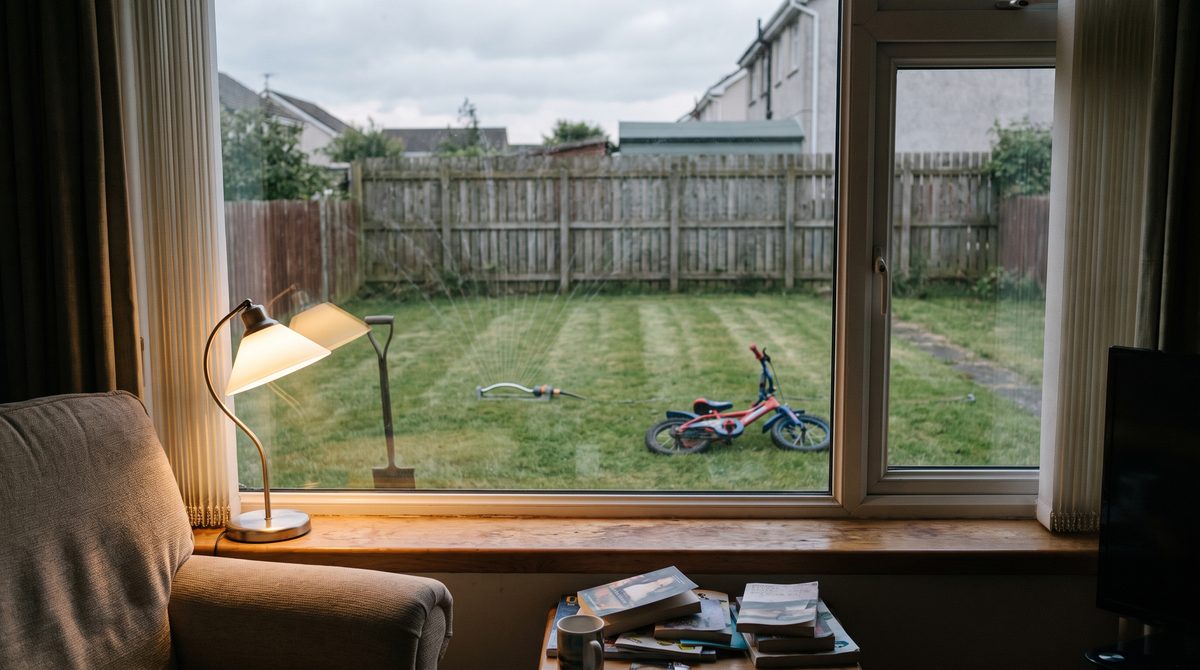
Why the mowing height matters more than the mower
Before you spend a cent on the yard, change one setting on the mower you already own. Most lawns get cut too short, and a short lawn is a lawn that needs more water, more feeding, and more weed control just to look average. Raise the deck.
Grass makes its food through its leaf, the same way any plant does. Cut that leaf down to a stub and you have taken away most of its ability to feed itself and its roots. The plant responds by pushing energy into growing leaf back up as fast as it can, instead of growing roots down. Shallow roots dry out faster, so you water more. A thin, stressed lawn also leaves bare soil between plants, which is exactly where weed seeds germinate, so you end up fighting weeds you would not have had.
Let the grass grow taller and the opposite happens. A taller blade shades the soil, which keeps moisture in and keeps weed seeds from getting the light they need to sprout. The plant can also afford to send more energy downward, building a deeper root system that reaches water further down and survives dry spells without help.
The exact height that counts as "tall enough" depends on the grass type in your region, which is a question your local extension office or a garden centre that stocks seed for your area can answer in a sentence. The rule that holds everywhere is the same: never cut off more than about a third of the blade in one pass. If the grass has gotten away from you, mow it down in two sessions a few days apart rather than scalping it in one go.
The one-third rule in practice
- If you are letting the lawn grow taller for the season, raise the deck a notch and leave it there. You do not need to keep adjusting it week to week.
- Mow more often in fast growth periods rather than mowing shorter. Frequency, not depth, is how you keep up with growth without stressing the plant.
- Leave the clippings on the lawn when they are short enough to filter down to the soil. They break down and return nutrients you would otherwise have to buy.
How deep to water, and why shallow watering is worse than no watering
A quick daily sprinkle feels responsible. It is actually one of the most common ways people waste water and end up with a weaker lawn.
Roots grow toward where the water is. Water a little bit every day and you train the roots to stay near the surface, because that is where the moisture is. Surface roots dry out fast, so the lawn needs watering again the next day, and the cycle keeps repeating. Water less often but more thoroughly, and the moisture has to soak further down to reach it, so the roots follow it down. Deeper roots hold on to reserves longer, which means the lawn can go longer between waterings and shrug off a hot stretch that would flatten a shallow-rooted one.
The way to check whether you are watering deeply enough is not a schedule, it is the soil itself. Push a screwdriver or a thin trowel into the lawn after watering. It should slide in easily to a decent depth. If it stops a couple of inches down, the water has not gone far enough and you need to run the watering longer, not more often.
Morning is the better time to water than evening in most climates, for a simple reason: grass that goes into the night wet stays wet longer, and prolonged dampness overnight is what fungal disease needs to take hold. Morning watering gives the day's sun and air time to dry the leaf before dark.
When to feed, and why timing matters more than how much
Feeding a lawn at the wrong time of year is close to feeding it nothing at all, because the plant is not in a growth phase where it can use what you are giving it. The general principle, whatever climate you are in, is to feed when the grass is actively growing roots, not simply when it is green.
Cool-season grasses do most of their root growth in spring and autumn and slow down in the height of summer heat. Warm-season grasses do the opposite, growing hardest through the warm months and going dormant in cooler weather. Feed a lawn heavily right before a dormant or heat-stressed period and you push it into fast, soft leaf growth at exactly the moment it has the least capacity to support that growth, which leaves it weaker, not stronger.
The practical version: find out which category your grass falls into, feed in its main growth windows, and go lighter or skip it entirely around its stressed season. A garden centre that sells seed and turf suited to your area can tell you which category is standard for your region in under a minute.
Cheap yard projects that change how the whole garden looks
A tidy lawn only gets you so far if the edges and beds around it look ragged. A handful of low-cost projects change the overall impression of a yard more than people expect.
- Cut a clean edge where lawn meets bed. A crisp line between grass and soil reads as intentional even if nothing else has changed. A half-moon edging tool or a flat spade does this without buying anything else.
- Mulch bare bed soil. A layer of mulch over exposed soil suppresses weeds, holds moisture so beds need watering less often, and gives beds a finished look immediately. Whatever organic mulch is cheap and available locally, whether that is wood chips, straw, or shredded leaves, does the job.
- Divide plants that have outgrown their spot instead of buying new ones. Many perennials can be lifted, split into two or three clumps, and replanted. You get more plants for free and the original clump often grows back healthier for the room.
- Remove one thing rather than adding one. An overgrown shrub crowding a path, a dead patch of grass under a tree that never gets light, a straggling plant that never thrived. Taking out what is not working often improves the look of a yard faster than adding something new to compete with it.
This week
Raise your mower deck by one notch before your next cut, and water once this week for long enough that a screwdriver still slides in easily the next morning. Those two changes cost nothing and set up everything else.