First Time Homebuyer: The Costs Nobody Mentions
You have been saving toward a deposit for years, watching that number climb, and it feels like the finish line. It is not. The deposit gets you the keys.
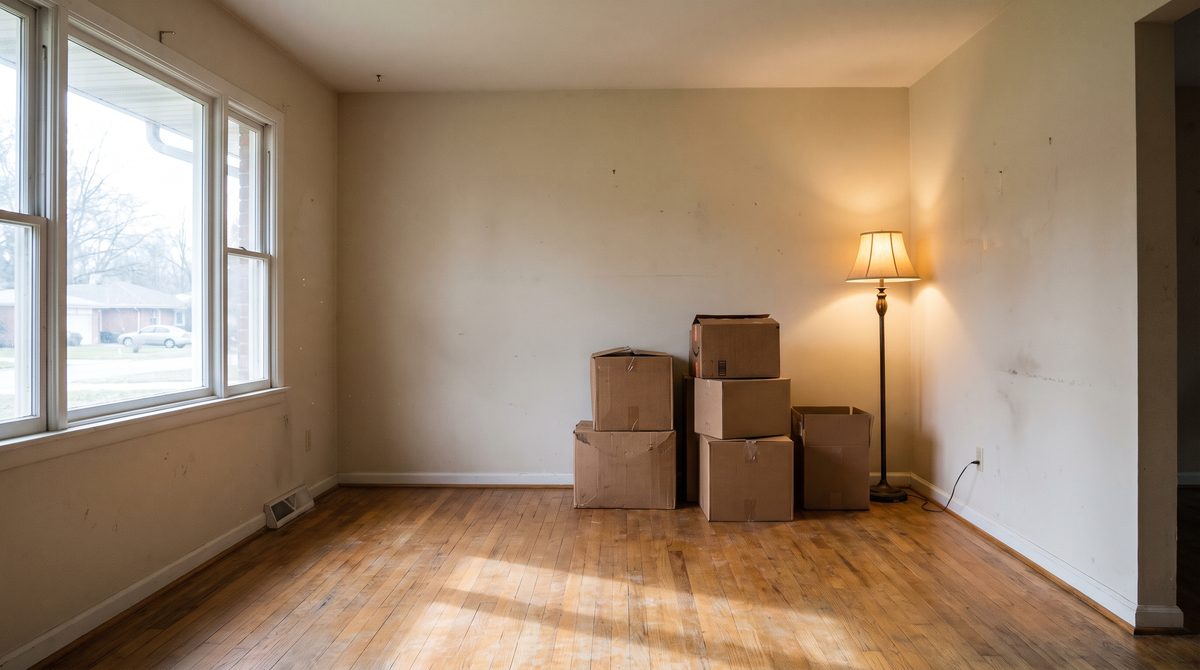
The gap between your deposit and what you actually need
You have been saving toward a deposit for years, watching that number climb, and it feels like the finish line. It is not. The deposit gets you the keys. It does not cover the costs that show up in the weeks before and after, and those costs are real money that has to come from somewhere other than the deposit fund. Before you set a completion date, you need a second number: what it actually costs to become the kind of homeowner who is not scrambling in month one.
Why the deposit number misleads you
Every conversation about buying a house centers on the deposit because it is the biggest single figure and the one lenders ask about first. That makes it easy to treat as the whole budget. It is one line item. The rest of this article is the other lines, and none of them are optional.
Closing costs are not a rounding error
Closing costs cover the legal and administrative work of transferring the property into your name: conveyancing or attorney fees, a survey or inspection, title insurance, land transfer or stamp duty where it applies, mortgage arrangement or valuation fees, and registration fees. Some of these are fixed regardless of the property price. Others scale with it. None of them are covered by your deposit, and none of them are covered by your mortgage unless you have specifically arranged to roll them in, which usually costs you more over the life of the loan.
Ask your lender and your solicitor or conveyancer for a full breakdown in writing before you commit to a date, not after. Get it itemized, not estimated, as early as the process allows. If a number changes late, ask why before you pay it.
The costs inside closing costs that get missed
- Adjustments. If the seller has prepaid property taxes, utilities, or a service charge, you reimburse them for the portion covering your ownership period. This can appear on the final statement with almost no warning.
- Lender-required repairs. Some mortgage approvals are conditional on specific fixes happening before completion, and those are yours to pay for even though you do not own the house yet.
- A second valuation or survey, if your lender's first one raises a question the seller cannot answer, at your expense.
Moving is a full line item, not a favor from friends
Moving costs money whether you hire it out or do it yourself. A removal company charges for volume, distance, and the day of the week. Doing it yourself still means a van rental, packing materials, time off work, and often a deposit on the truck. If the move crosses any real distance, you may need temporary storage or overlap on two sets of housing costs for a few days. Book the move as its own budgeted item with its own number, not something you will "figure out" from whatever cash is left after closing.
The repairs nobody warns you about
A home inspection tells you what is wrong. It does not pay to fix it. Even a house that passed inspection cleanly tends to reveal small, immediate problems in the first weeks: a lock that needs replacing, an appliance left in worse condition than it looked, a leak that only shows itself the first time it rains hard, smoke detectors that need updating, a boiler or furnace that needs servicing before winter. None of these are dramatic. All of them cost something, and they tend to arrive in a cluster right when your accounts are already thin from closing.
Set aside a repair fund before you move in, sized to your inspection report's flagged items plus a margin for the ones the report could not see. Do not treat "it passed inspection" as "it needs nothing."
Furnishing an empty house costs more than you expect
If you are moving from a smaller rental or from a shared household, the new place likely has rooms, or parts of rooms, with nothing in them. Curtains or blinds for windows that previously had none. A washing machine or fridge if the last one was not included in the sale. Basic furniture for a room you did not have before. Even small items add up fast: light fixtures, a ladder, tools you never needed until you owned a garden or a garage. You do not have to furnish everything in month one. Decide, in writing, which rooms can stay bare for a year and which cannot, and buy only for the second list first.
A simple way to sequence it
- Anything required for safety or function goes first: working locks, working heat, working hot water.
- Anything required for daily life goes second: a bed, a place to cook, basic window coverings for privacy.
- Everything else waits until the first two categories are paid for and you have had a full pay cycle to see what your new monthly costs actually look like.
The first year of maintenance is a new expense category, not an occasional one
Renting bundles most maintenance into someone else's problem. Owning does not. A boiler service, gutter clearing, a repaint on some exterior surface, lawn or garden upkeep, pest control if it turns out you need it, and the eventual replacement of something that was already old when you bought the house. None of these are monthly bills. All of them are annual certainties for most houses, and if you have not budgeted for them, they land as a surprise exactly like the closing costs did.
Treat home maintenance as a real line in your annual budget from day one, not something you start planning for once the water heater fails.
What to do this week
Before you go further into the process, or before your completion date arrives if you are already committed, write down five numbers on one page: your closing cost estimate from your lender or conveyancer, a moving cost quote, a repair reserve based on your inspection report, a furnishing budget capped at what the first two rooms of your sequencing list need, and one month of estimated maintenance and utility costs at the new address. Add them to your deposit. That total, not the deposit alone, is the number that tells you whether you are actually ready to move.